

Cabin Air Filter Service in Smyrna, GA
Keep Your Ford’s Air Fresh with Timely Cabin Filter Replacement
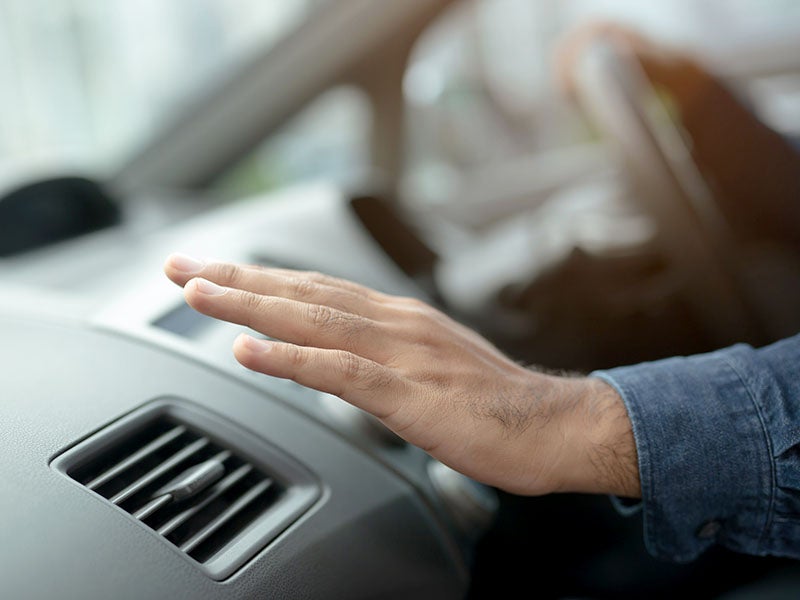 Replacing a cabin air filter is essential because it removes dust, pollen, smog, and airborne contaminants from the air entering the vehicle heating and air conditioning system, maintaining occupant air quality and preserving ventilation performance. Over time, accumulated debris restricts airflow, forcing the climate control fan to work harder while allowing odors and allergens to circulate inside the cabin.
The cabin air filter acts as the primary barrier between external environmental pollution and your passenger compartment. As air enters through the exterior intake vents, the filtration media traps microscopic particles before they reach the interior cabin. Manufacturer recommendations for many Ford models call for replacing the cabin air filter every 15,000 to 20,000 miles, while general automotive service guidelines suggest an inspection roughly once a year or every 12,000 to 15,000 miles. Driving conditions in dense traffic or areas with heavy seasonal pollen can cause filter media to load earlier, making routine checks vital.
Ignoring filter maintenance directly impacts climate control performance and interior sanitation. Accumulated dust and organic material restrict air volume, which reduces cooling efficiency in summer and heating effectiveness in winter. Furthermore, dirty filters can harbor moisture, creating an environment for mold and bacteria that generate sour, musty smells throughout the passenger space.
Investing in this quick service prevents excessive wear on interior ventilation components and protects passenger comfort. For expert vehicle maintenance and system checks, drivers can reach our service advisors by calling 866-847-5880 or visit our Smyrna service facility to keep their vehicle running strong.
What Are the Differences Between Standard, Activated Carbon, and HEPA Cabin Air Filters?
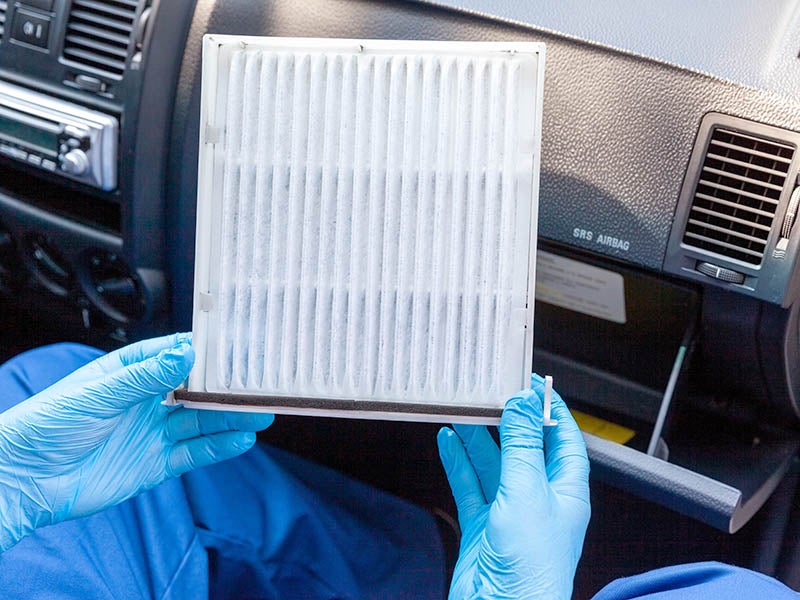 Standard cabin air filters use synthetic media to trap solid debris, activated carbon filters add a charcoal layer to absorb odors and gases, and HEPA filters capture microscopic particles down to 0.3 microns. Choosing the right filter media depends on your driving environment, health needs, and climate control design.
- Standard particulate filters: Built from pleated synthetic paper or cotton fibers, these entry-level filters capture larger airborne contaminants such as road dust, soot, plant spores, and pollen. They provide efficient physical filtration to keep mechanical ductwork clear.
- Activated carbon filters: Formed by sandwiching a layer of activated charcoal between particulate layers, these filters treat chemical pollutants. The porous carbon structure adsorb exhaust fumes, industrial smog, ozone, sulfur dioxide, and unpleasant highway odors before they enter the interior.
- HEPA cabin air filters: Constructed from dense fiberglass mesh, High-Efficiency Particulate Air media captures 99.97% of ultra-fine dust, mold spores, and airborne bacteria down to 0.3 microns. They provide the maximum level of air purification available for automotive applications.
Installing a high-density filter can influence climate control airflow. Because dense media creates greater static resistance, an HVAC blower motor must push against higher backpressure. If a system is not engineered for high-density filtration, installing a dense filter may cause a slight drop in air volume coming from the dashboard vents.
For this reason, HEPA cabin air filters are not manufactured for all vehicle makes and models. Vehicle manufacturers design HVAC systems around specific static pressure tolerances, and smaller blower motors can overheat or fail prematurely if paired with overly restrictive filter media.
What Are the Primary Signs That Your Cabin Air Filter Needs Immediate Replacement?
The clearest indicators that a cabin air filter needs immediate replacement are weak vent airflow, persistent musty odors, loud fan noise, and slow glass defrosting. Recognizing these early signs prevents unnecessary strain on ventilation components.
A noticeable drop in air volume from the climate control vents often signals severe filter clogging. As dust, dirt, and organic material fill the filter pleats, air passages narrow, preventing the ventilation fan from moving adequate air into the cabin. Drivers may notice that setting the fan to high yields only a weak breeze.
Restricted airflow also impairs humidity control across interior glass. During damp or chilly weather, the air conditioning system relies on crisp airflow across the evaporator core to pull moisture out of the cabin. When a dirty filter chokes off that airflow, moisture lingers inside the vehicle, causing persistent windshield fogging and significantly slowing down defroster clearing time.
A visual inspection of a clogged cabin filter reveals heavy gray or black discoloration, thick dirt crusting, pollen deposits, and trapped organic debris such as leaves or twigs. During routine maintenance checks, technicians access the housing behind the glove compartment or engine cowl to inspect the filter. Cleaning out loose debris surrounding the housing before removing the filter cartridge prevents dirt from falling into the heater core or blower assembly, avoiding expensive secondary repairs.
What Is the Difference Between a Cabin Air Filter and an Engine Air Filter?
A cabin air filter cleans the air entering the passenger compartment for occupant health, whereas an engine air filter purifies the air entering the intake manifold to protect internal combustion components. While both components filter outside air, they serve entirely different systems within the vehicle.
| Feature / Detail | Cabin Air Filter | Engine Air Filter |
|---|---|---|
| Primary Function | Purifies air entering passenger space | Filters air entering engine combustion chambers |
| Systems Protected | Occupant lungs, HVAC blower motor, ductwork | Mass airflow sensor, throttle body, engine cylinders |
| Physical Location | Behind glovebox compartment or cowl assembly | Sealed air intake box under the vehicle hood |
| Symptoms of Clogging | Reduced vent airflow, odors, slow defrosting | Poor engine response, rough idle, reduced gas mileage |
| Replacement Interval | Every 15,000 to 20,000 miles (typical) | Varies by manufacturer and driving conditions |
Failing to service an engine air filter allows abrasive dirt particles into the engine combustion chamber, leading to premature wear on internal parts. Conversely, neglecting a cabin air filter degrades interior comfort and air cleanliness without directly affecting engine performance. Maintaining both filters according to your vehicle service schedule ensures total vehicle health.
Common Questions About Cabin Air Filter Service in Smyrna
Q: How often should a Ford cabin air filter be replaced?
Most Ford maintenance schedules recommend replacing the cabin air filter every 15,000 to 20,000 miles. However, driving through high pollen areas or heavy urban traffic around Atlanta can load the filter faster, making annual inspections a smart habit during regular oil service.
 Q: What happens if a clogged cabin air filter is left unserviced?
Leaving a dirty filter unserviced restricts climate control airflow, promotes mold and bacterial growth, and causes persistent odors inside the vehicle. Severe clogs can also allow debris to spill into the HVAC case, potentially clogging drain lines or damaging internal heating and cooling components.
Q: Can a restricted cabin filter damage the HVAC blower motor?
Yes, severe airflow restriction forces the ventilation fan motor to work against heavy backpressure. This extra resistance increases operating temperatures and electrical current draw, which can shorten the lifespan of the motor or cause premature failure of the blower resistor.
Q: Is cabin air filter replacement covered under warranty?
Cabin air filters are considered wear-and-tear maintenance items and are typically excluded from standard limited warranty coverage. However, replacement parts installed by factory-trained technicians carry OEM spare parts warranties against manufacturing defects.
Q: How long does a cabin air filter inspection and service take?
A standard cabin air filter replacement generally takes between 15 and 30 minutes when performed by experienced technicians. It is easily combined with routine maintenance visits, such as tire rotations or multi-point vehicle inspections.
Our certified technicians keep your vehicle running strong, so you can focus on what matters most. Whether you need a quick filter check, seasonal maintenance, or detailed diagnostic care, our team provides transparent, expert care in a friendly environment. You can schedule service by 866-847-5880, conveniently scheduling a service appointment online, or dropping by our service center location on South Cobb Drive today.
© 2026 Wade Ford. All rights reserved.
*All mileage is EPA estimated.
Fill out the form below and we'll contact you shortly.
